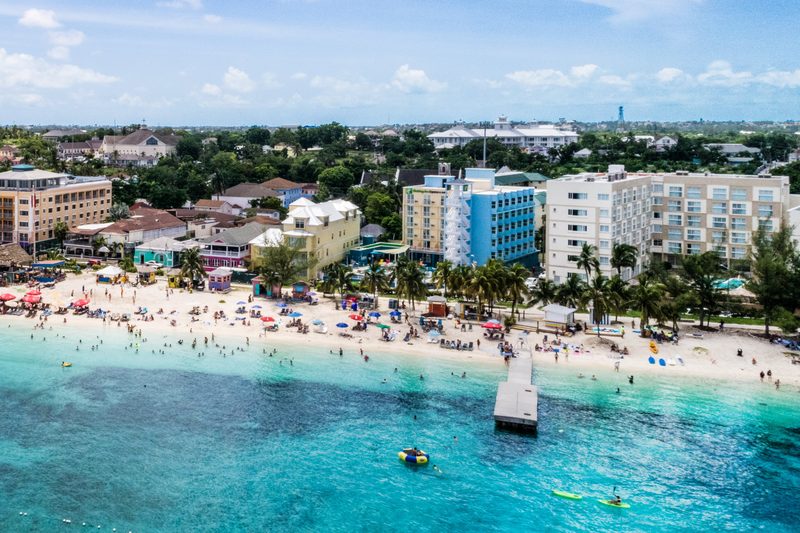

Things to Do in Nassau in July
July weather, activities, events & insider tips
Low Season · Budget Friendly
July Weather in Nassau
Temperature, rainfall and humidity at a glance
90°F (32°C)
High Temp
77°F (25°C)
Low Temp
6.2 inches (157 mm)
Rainfall
70%
Humidity
⚠ Afternoon thunderstorms can strand boaters - marine operators cancel trips when lightning appears
Is July Right for You?
Weigh the advantages and considerations before booking
Advantages
- + Bahamas Independence Day on July 10th brings Junkanoo rush-outs, Goombay music spilling from Bay Street to Arawak Cay, and a collective energy you simply cannot manufacture for tourists. The cowbell rhythms bounce off the pastel colonial facades of Parliament Square, and for a few days the entire island operates on a schedule dictated by parades and cookouts rather than cruise ship arrivals. It is, without exaggeration, the best window into what Nassau sounds like when it celebrates for itself.
- + Ocean temperatures hover around 29°C (84°F) through July, which makes the water off Rose Island and the reefs near Clifton Heritage National Park feel like a warm bath. Visibility between storm systems tends to be excellent, and the marine life is noticeably more active in the warmer months. If snorkeling or free-diving is your reason for coming, July's water conditions are arguably better than the postcard-perfect winter months when water temps dip to 24°C (75°F) and you're shivering on the boat ride back.
- + Accommodation rates drop considerably once the winter crowd and spring breakers clear out. Hotels along Cable Beach and on Paradise Island that require months of advance booking in February suddenly have last-minute availability. The shoulder-to-low season pricing means you can likely afford a room category or two above what your winter budget would allow, and the properties themselves feel noticeably less frantic, with pool chairs available past 8 AM.
- + The crush of cruise ship day-trippers thins out compared to December through April. Junkanoo Beach, which in peak season gets overrun by noon with passengers from three ships docked simultaneously at Prince George Wharf, has breathing room on many July weekdays. You might hear the water lapping instead of competing sound systems.
Considerations
- − July sits squarely inside Atlantic hurricane season, and while the statistical peak is not until August and September, the possibility is real and will shape your trip planning. You will want travel insurance with hurricane coverage, full stop. Most storms that affect the Bahamas this early in the season give several days of warning, but a tropical system 500 km (310 miles) away can still send swells that cancel boat excursions for two or three days running. Check NOAA forecasts obsessively the week before departure.
- − The midday heat is punishing. Between noon and 3 PM, the combination of 32°C (90°F) air temperature, direct equatorial sun, and humidity that sits around 70-80% creates a heat index that can push past 40°C (104°F). Walking downtown Nassau's shadeless stretches along Bay Street during these hours is an endurance exercise, not sightseeing. Locals disappear indoors and you should follow their lead.
- − Some smaller restaurants, tour operators, and shops reduce hours or close entirely for the slow season. The establishments that cater primarily to cruise passengers may shutter on days without ships in port. This is not catastrophic. But it does mean you will encounter the occasional locked door where Google Maps promises an open business. Arawak Cay's Fish Fry stalls and Potter's Cay vendors stay reliably open. But confirm operating hours for anything more niche before making a trek.
Best Activities in July
Top things to do during your visit
Reef Snorkeling and Underwater Exploration off Rose Island
Rose Island sits about 5 km (3 miles) off Nassau's eastern shore and in July the water is so warm you can snorkel for an hour without a wetsuit and barely register the temperature. The reef system on the island's leeward side teems with parrotfish, sergeant majors, and the occasional nurse shark gliding along the sandy bottom, and the visibility after a morning calm can reach 20 m (65 ft) or more. July mornings before the afternoon convective buildup are ideal: flat seas, angled light that penetrates the water beautifully, and almost no other boats. The coral heads here are shallow enough, 2-4 m (6-13 ft), that even novice snorkelers see everything without diving down. Most half-day trips depart from the Nassau waterfront between 8:30 and 9 AM and return before the afternoon squalls develop.
Booking Tip: Book through licensed operators at least a week ahead, as July has fewer boats running than winter season. Look for operators who limit group sizes and provide reef-safe sunscreen. Morning departures are non-negotiable in July, both for calm water and to avoid afternoon storms. See current tour options in the booking section below.
Historic Downtown Nassau Walking Tour
Start early, before 9 AM, when the limestone walls of Fort Charlotte still hold the coolness of the night and the light hits the pink-and-white colonial buildings along Parliament Square at an angle that justifies the word photogenic. The Queen's Staircase, those 66 steps carved by enslaved people from solid limestone in the late 18th century, sits in a shaded gorge where the temperature runs noticeably cooler than the surrounding streets, and the ferns dripping from the rock walls overhead give the whole passage an almost grotto-like atmosphere. From there it is a short, steep walk up to Fort Fincastle and the water tower for a view that takes in the cruise port, Paradise Island bridge, and the deep-water channel where the Atlantic shifts from turquoise to indigo. July's lower foot traffic means you will have these sites largely to yourself on weekday mornings. By 11 AM the heat becomes oppressive, so plan to finish and retreat to somewhere air-conditioned or shaded.
Booking Tip: Guided walking tours typically run 2-3 hours and depart early morning. Self-guided is well feasible with a map from the Nassau tourism office on Bay Street. Wear proper walking shoes, not flip-flops, as the Queen's Staircase and fort grounds involve uneven limestone. Carry at least a liter of water per person. See current guided options in the booking section below.
Swimming Pigs and Sandbars Day Trip to the Exumas
The swimming pigs at Big Major Cay in the Exumas are exactly as absurd as they look in photographs, and July happens to be one of the better months to visit because the cay is not swarmed with speedboats from every resort in the chain. The full-day trip from Nassau covers roughly 130 km (80 miles) each way by fast boat, which means open-ocean crossings that can get rough if afternoon weather builds. In July, the morning windows are usually calm and the pigs are reliably hungry and theatrical. Most trips include stops at the Thunderball Grotto, a sea cave used in the James Bond film, where snorkeling through the light-shafted interior is the kind of thing that sticks in your memory for years, and a sandbar lunch stop where the water is knee-deep for 100 m (330 ft) in every direction. The water color out here, a shade of turquoise that looks digitally enhanced but is not, is reason enough.
Booking Tip: Book at least 10-14 days in advance even in low season, as these trips run with limited boats. Full-day excursions depart around 7 AM and return late afternoon. Confirm the operator's weather cancellation policy, because July squalls can and do scrub departures. Morning-only departures are standard and sensible. See current options in the booking section below.
Junkanoo Cultural Experience and Craft Workshops
If your July dates overlap with Independence Day celebrations around July 10th, you will see Junkanoo in its raw, unrehearsed form: rush-out parades where groups in elaborate crepe-paper costumes weighing up to 15 kg (33 lbs) dance to the polyrhythmic crash of cowbells, goatskin drums, and brass horns that you feel in your ribcage before you consciously hear them. Even outside the Independence festivities, the Educulture Junkanoo Museum on Augusta Street and community workshops in the Over-the-Hill neighborhoods south of Bay Street offer hands-on experiences where you can learn to build the wire-and-paste structures that form costume frameworks. The smell of paste and wet crepe paper, the precision required to layer thousands of fringed strips into a coherent design, and the sheer physical labor involved give you an appreciation that watching from the sidewalk never could.
Booking Tip: Cultural workshops should be arranged several days in advance. Look for community-based operators rather than cruise-port excursion desks for a more real feel. July's Independence Day programming typically runs the week surrounding July 10th. Check the booking section below for current cultural tour availability.
Clifton Heritage National Park Coastal Exploration
On the western tip of New Providence, about 30 km (19 miles) from downtown Nassau, Clifton Heritage National Park is the kind of place most visitors drive past on the way to something else and then kick themselves for missing. The park preserves Lucayan, Loyalist, and enslaved African heritage sites along a rocky coastline where the limestone has been carved by centuries of wave action into shelves and tide pools. The underwater sculpture garden just offshore, an installation of figures placed in 4 m (13 ft) of clear water, is best visited in July's calm morning conditions when you can snorkel directly from the beach without a boat. The terrestrial trails wind through native coppice forest where the air smells of sea grape and salt, and the ruins of a colonial-era plantation sit quietly decomposing back into the landscape. Virtually empty on July weekdays.
Booking Tip: The park charges a modest entrance fee and is self-guided, though snorkel gear rental may be available on-site. Arrive before 10 AM for the best underwater visibility and to beat the heat on the walking trails. A rental car or taxi is necessary to reach the park. Guided snorkel trips that include Clifton can be found in the booking section below.
Bahamian Food Culture Tour at Arawak Cay and Potter's Cay
Arawak Cay, universally called the Fish Fry by everyone who lives here, is a cluster of brightly painted shacks on a man-made island west of downtown where the smoke from grilled snapper and cracked conch drifts across the parking lot and settles the question of where you are eating before you have consciously decided. The conch salad vendors at Potter's Cay, under the Paradise Island bridge, are the other essential stop. They dice the raw conch on a cutting board in front of you, toss it with scotch bonnet pepper, lime juice, raw onion, and tomato, and hand it over in a styrofoam cup. The texture is firm and slightly chewy, the heat from the pepper builds slowly, and the lime cuts through everything. In July, the evening breeze off the harbor makes outdoor eating at Arawak Cay pleasant after about 5 PM, and the Kalik beers are cold enough to leave condensation rings on the wooden tables. Goombay Punch, the local soft drink that tastes of pineapple and something vaguely coconut, is the non-alcoholic alternative and weirdly addictive.
Booking Tip: No advance booking needed for Arawak Cay or Potter's Cay. These are walk-up, order-at-the-counter spots. Go to Potter's Cay for lunch when the fishermen are unloading, and Arawak Cay for dinner when the breeze picks up. Guided food tours that cover both spots and add context on Bahamian food traditions are available through the booking section below.
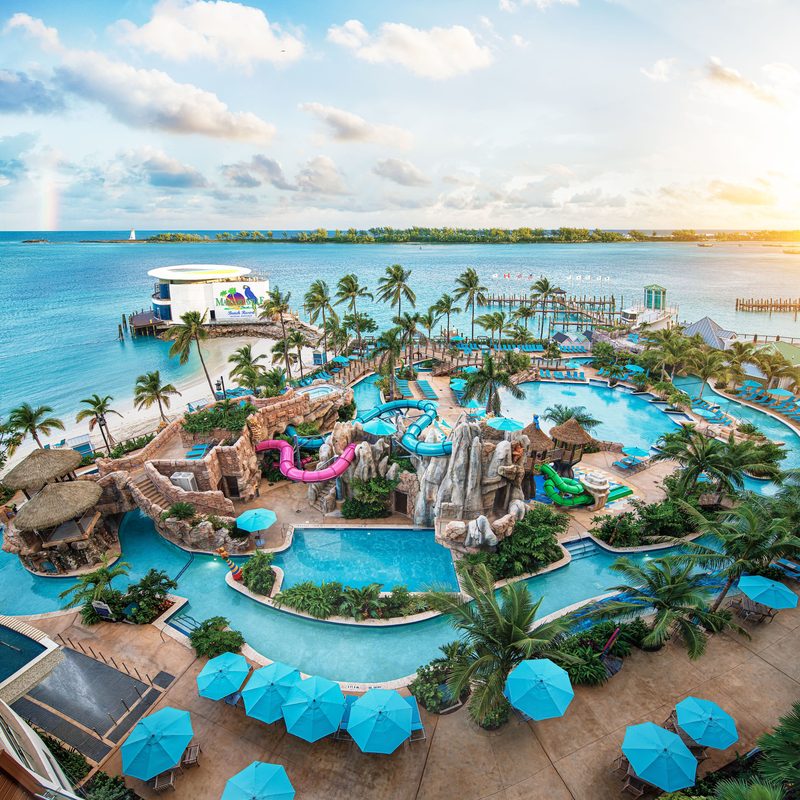
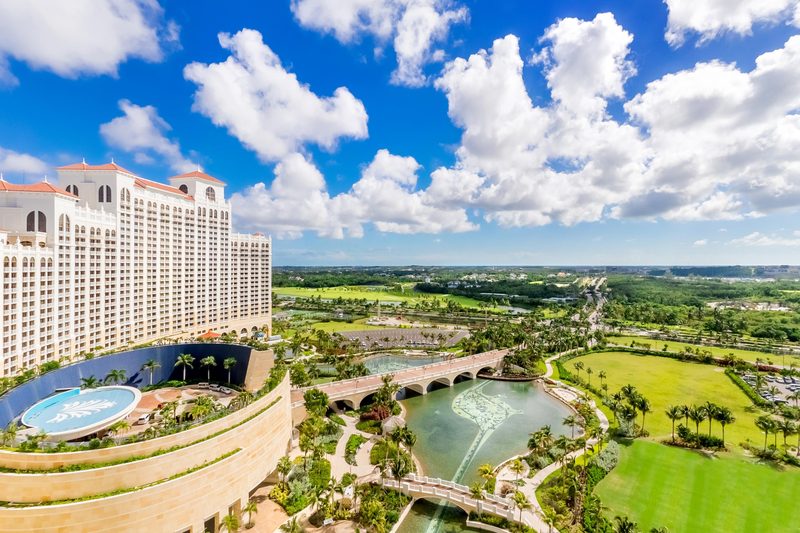
Where to Stay in Nassau in July
Hand-picked hotels across price tiers for July travellers.
Public Holidays in July
Dates that affect opening hours, transport and crowds
Independence Day
Observed nationwide as a public holiday.
Independence Day
Observed nationwide as a public holiday.
Packing Checklist
Bookmark this page — your progress is saved between visits
Need the full list with shopping links?
Climate-specific gear, brand recommendations, and what to leave at home.
View Nassau Packing List →Essential Tips
Insider knowledge and common pitfalls to avoid
Insider Knowledge
The jitney buses that run along major routes, including the Cable Beach corridor and down to Arawak Cay, are the way locals move around and are far cheaper than taxis. They are essentially minibuses, sometimes unmarked vans, that stop when you wave them down. The routes are not posted anywhere obvious, so ask your hotel front desk which jitney number runs closest to your destination. Service thins out considerably after 7 PM.
Potter's Cay dock, directly underneath the Paradise Island bridge, is where the mailboats to the Out Islands depart and where fishermen unload the morning catch. The conch salad vendors here make it fresh in front of you, and the quality is at least as good as anything on Arawak Cay with a fraction of the tourist crowd. Go between 11 AM and 1 PM when the catch is freshest and the vendors are in full rhythm.
Independence Day week is when Nassau hotels see a domestic tourism spike from Family Island Bahamians visiting the capital for the celebrations. This is one of the few times in summer when accommodation availability tightens, so if your dates overlap July 8-12, book your room at least three weeks ahead rather than relying on last-minute low-season availability.
The Over-the-Hill neighborhoods south of Bay Street, specifically areas around Market Street and Bain Town, are where Junkanoo groups rehearse in shacks and open lots starting weeks before any official performance. Walking through on a July evening you will hear drumming practice echoing off concrete walls, and groups are often happy to have respectful visitors watch. This is not a curated tourism experience. Use common sense, go before dark, and ask before photographing.
Avoid These Mistakes
Spending the entire trip on Paradise Island and never crossing the bridge to Nassau proper. Atlantis and its manufactured beach are fine for a day. But the real texture of this place, the conch salad at Potter's Cay, the crumbling colonial architecture on East Street, the sound of a Junkanoo drum circle drifting out of a side street, is all on the Nassau side. The bridge is walkable in 15 minutes, though in July heat a taxi is advisable at midday.
Scheduling outdoor activities between noon and 3 PM. The combination of direct overhead sun, reflected heat off pavement and sand, and humidity that feels like wearing a wet towel makes this window dangerous for extended exertion. Heat exhaustion is not theoretical here, it is the reason the emergency room at Princess Margaret Hospital sees tourist patients every summer week. Do your walking and snorkeling before 11 AM, retreat to air conditioning or shade for the hottest hours, and resume in late afternoon.
Dismissing the hurricane forecast because 'it probably won't happen' is reckless. July is statistically the calmest month of hurricane season. Yet tropical storms can and do form. The real error isn't canceling over a distant swirl on the map; it's skipping travel insurance with trip interruption coverage and ignoring NOAA's National Hurricane Center forecast each day the week before departure. A storm 800 km (500 miles) away can still scrub your Exuma boat trip for three solid days.
Ready to plan your trip to Nassau?
Now that you've got the research covered, here's where to go next.
Book Experiences in Nassau
Top-rated things to do in Nassau this July


Explore More Activities in Nassau
Didn't see anything interesting yet?
Browse Viator's full catalog of tours, day trips, food experiences, and private guides in Nassau.
See All Nassau Tours on Viator