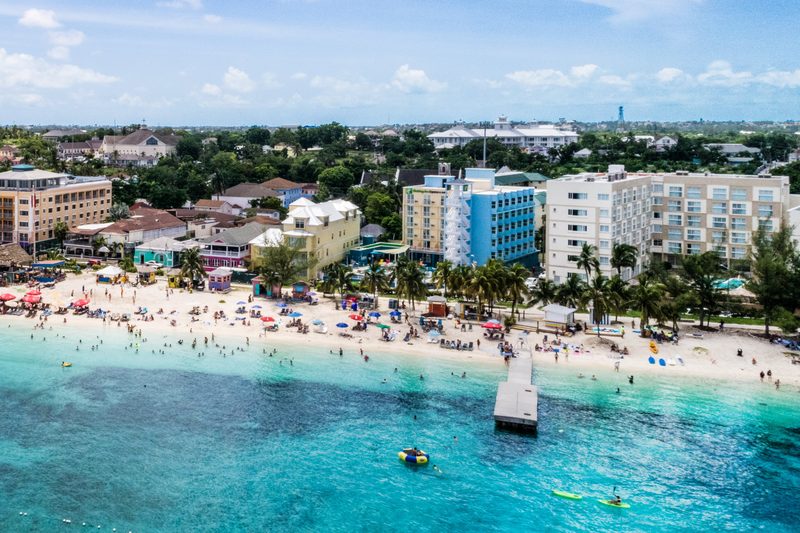

Things to Do in Nassau in February
February weather, activities, events & insider tips
Low Season · Budget Friendly
February Weather in Nassau
Temperature, rainfall and humidity at a glance
79°F (26°C)
High Temp
65°F (18°C)
Low Temp
1.9 inches (48 mm)
Rainfall
70%
Humidity
Is February Right for You?
Weigh the advantages and considerations before booking
Advantages
- + February lands right in the Bahamas' dry season, and you can see it. Expect 24-25 days of sunshine out of 28, with any rainfall arriving as brief squalls that sweep through in fifteen minutes and leave the sky spotless. Snorkeling and diving visibility regularly tops 30 m (100 ft), about as good as the Bahamas ever delivers. If Nassau beaches and clear water are your goals, February is the month that comes through every time.
- + The northeast trade winds blowing at 15-25 km/h (9-16 mph) do what summer visitors would envy: they drop humidity to comfortable levels. Daytime temperatures settle around 26°C (79°F), so you can climb the 66 steps of the Queen's Staircase, explore Fort Charlotte's underground passages, or stroll Bay Street without the suffocating tropical heat that turns any outdoor activity into an endurance contest from June through October. It feels more Mediterranean than Caribbean.
- + Ocean temperatures in February hold at 24-25°C (75-77°F), warm enough to skip the wetsuit for snorkeling or casual dives, cool enough that forty minutes in the water stays refreshing rather than turning bathwater-tepid. The seas on the leeward side of New Providence stay calm, with swells rarely topping 0.6 m (2 ft), which matters if you're planning a day trip to the Exuma Cays or Rose Island and prefer not to spend the boat ride clutching the rail.
- + Flight frequency from North American cities hits its stride in February. Direct routes from New York, Miami, Toronto, Atlanta, Charlotte, and Fort Lauderdale all run multiple daily services, and competition between carriers usually means more schedule flexibility even though fares themselves sit at seasonal highs. The 3.5-hour flight from New York or the 45-minute hop from Fort Lauderdale makes Nassau one of the easiest warm-water escapes from a North American winter.
Considerations
- − This is peak cruise ship season, and Nassau feels the weight. On heavy days, typically Tuesday through Thursday, four or five ships tie up at Prince George Wharf at once, unloading 15,000-20,000 day-trippers into a downtown barely twelve blocks long. Bay Street becomes a slow shuffle of matching lanyards, the Straw Market at Nassau's waterfront turns into a scrum, and popular snorkeling spots near the harbor crowd up until you're sharing reef space with flotillas of guided groups. The ships usually clear out by 5 PM, but between 10 AM and 3 PM on ship days, downtown Nassau belongs to the cruise passengers.
- − February hotel rates sit at or near their yearly high. Where to stay in Nassau becomes a question with pricey answers: expect to pay a sharp premium over shoulder-season rates for the same rooms. Booking six to eight weeks ahead is almost mandatory for anything waterfront, and the best-located properties on Cable Beach and the western stretch of New Providence can sell out completely for Presidents' Day weekend and the surrounding days.
- − Those same northeast trade winds that keep humidity pleasant can turn north-facing beaches, including stretches of Cable Beach, choppy and uncomfortable for swimming on windier days. Swells of 1-1.5 m (3-5 ft) aren't rare on the exposed northern shore. The south side of the island stays calmer, but south-side beach access is more limited and less developed. If flat-calm water matters to you, check the wind forecast before committing to a beach day on the north side.
Best Activities in February
Top things to do during your visit
Exuma Cays Day Trip, Swimming Pigs and Sandbars
February is probably the single best month for the Exuma Cays day trip from Nassau, and it comes down to sea conditions. The 60 km (37 mile) crossing from Nassau to Big Major Cay, where the famous swimming pigs paddle out to greet incoming boats, needs relatively calm seas to stay enjoyable instead of nauseating, and February's leeward-side swells rarely exceed 0.6 m (2 ft). The water at Pig Beach runs so clear you can see the sandy bottom at 4 m (13 ft) depth from the boat, and the pigs, descendants of livestock left by sailors decades ago, wade in chest-deep, snorting and nudging for scraps. Past the pigs, most operators stop at Thunderball Grotto, the partially submerged cave system used in the James Bond film, where afternoon light streams through the ceiling openings and lights up schools of sergeant majors and yellowtail snapper in water so transparent it looks like an aquarium. February's lower rainfall keeps the grotto interior bright. The trip usually runs seven to eight hours door-to-door.
Booking Tip: Reserve at least two weeks ahead, February slots fill fast, and weather cancellations from earlier in the week create a backlog of rescheduled passengers. Look for licensed operators with boats rated for open-ocean crossings (not just harbor craft). Morning departures around 7 AM reach the pigs before the midday rush of boats arriving from Staniel Cay. See current tour options in the booking section below.
Reef Snorkeling off Rose Island and the Southwest Reefs
The reef systems within a 20-minute boat ride of Nassau are February's quiet revelation. While everyone queues for the Exuma trip, the coral heads off Rose Island, a slender, uninhabited cay 5 km (3 miles) east of Paradise Island, offer snorkeling in 2-4 m (6-13 ft) of water over elkhorn coral, sea fans waving in the current, and enough parrotfish, blue tang, and juvenile barracuda to fill an underwater photographer's memory card. February water temperatures of 24°C (75°F) let you snorkel for an hour without chilling, and the visibility on a good day stretches 25-30 m (80-100 ft). The southwest reefs closer to Clifton Heritage National Park are less visited and tend to have healthier coral coverage, partly because boat traffic is lighter there. You'll likely see hawksbill turtles grazing on the sponges, they're resident year-round, but the calm February seas make spotting them far easier than in choppier months.
Booking Tip: Half-day morning trips give the best visibility, afternoon light angle and any wind-driven chop reduce clarity. Operators offering small-group trips (ten people or fewer) are worth seeking out, as larger catamaran groups tend to cluster on the same reef patches. Bring your own mask if you have one, rental gear from budget operators is often fogged and ill-fitting. Check the booking section below for available snorkeling options.
Downtown Nassau Historical Walking Tour
The 3 km (1.9 mile) walking loop through downtown Nassau, from Rawson Square up the hill past the colonial-pink Parliament buildings to Fort Fincastle and back down via the Queen's Staircase, is one of those things that gets dismissed as a cruise-ship activity but rewards a slower, more deliberate pace. February's 26°C (79°F) temperatures make the uphill stretches bearable in a way that July's 33°C (91°F) simply does not. Fort Charlotte, the largest fort in the Bahamas, sits on a limestone bluff about 1.6 km (1 mile) west of downtown, and its underground passages, hand-carved in the 1780s by enslaved laborers, stay cool and slightly damp even at midday, the walls streaked with minerals and the silence broken only by dripping water. The Queen's Staircase, 66 steps carved from solid limestone by enslaved people in the 1790s, is draped in ferns and tropical overgrowth that filters the light into something close to a cathedral effect. The trick is timing: arrive before 9:30 AM or after 3:30 PM and you'll have these spots nearly to yourself. Between those hours on cruise-ship days, you're walking in a crowd.
Booking Tip: You can absolutely do this self-guided with a map from the Nassau tourism office at Festival Place near the cruise port, but a guided walking tour adds context about the slave trade history and colonial architecture that the plaques barely cover. Book for early morning slots on ship days, or pick a day with no ships docked (check cruise ship schedules online, which are published months ahead). Current guided tour options are available in the booking section below.
Deep-Sea Fishing Charters off the Tongue of the Ocean
Nassau sits on the edge of the Tongue of the Ocean, a deep-water trench where the seafloor drops from the shallow Bahama Bank to over 1,800 m (6,000 ft) within a few kilometers of shore. In February, wahoo are running hard, they follow the cooler water temperatures that the winter months bring to the northern Bahamas, and February's 24°C (75°F) surface temperatures are close to optimal. You're also likely to encounter yellowfin tuna, mahi-mahi, and the occasional blue marlin, though marlin are more common from April onward. The departure point is typically the Nassau Harbour waterfront or Montagu Beach area, and you're over productive water within thirty minutes, no grueling three-hour transit to the fishing grounds. February's calmer seas mean less time spent fighting nausea and more time with lines in the water. The afternoon bite tends to be stronger than the morning in February, which is counterintuitive. But the baitfish move deeper during the warmest midday hours and come up as the sun angle drops.
Booking Tip: Half-day charters (four hours) are sufficient for wahoo and mahi-mahi in February, full-day is only worth it if you're specifically targeting marlin or want to troll the deeper offshore ridges. Book five to seven days ahead, as February weekends sell out with visiting anglers. Confirm that the charter includes fighting gear, bait, and licenses. Check current charter availability in the booking section below.
Junkanoo Cultural Experience and Shack Visits
Junkanoo, the Bahamas' explosive street parade tradition involving massive papier-mache costumes, goatskin drums, cowbells, and brass sections, has its main events on Boxing Day and New Year's Day, but the culture is alive year-round in Nassau and February is when the groups start building for the next season. The Junkanoo shacks along Augusta Street and in the neighborhoods behind the fish fry at Arawak Cay are workshop spaces where groups like the Valley Boys and Saxons spend months constructing costumes that can weigh over 30 kg (66 lbs) and span 3 m (10 ft) across. In February, some of these groups welcome visitors to watch the pasting process, layers of crepe paper glued over wire-and-cardboard frames in patterns that won't be revealed until competition day. The smell of glue and fresh-cut cardboard fills these tin-roofed shacks, and the rhythmic slap of cowbell practice drifts out at odd hours. The Educulture Junkanoo Museum on Augusta Street has costumes from past parades and can arrange shack visits. This is Nassau's most distinctive cultural expression, and experiencing it in its working-class neighborhood context, rather than as a polished tourist performance, is the version worth seeing.
Booking Tip: Cultural tour operators who specialize in Junkanoo experiences are the way in, walking up to a shack unannounced is unlikely to get you access. Book a few days ahead through licensed cultural tour operators who have relationships with the groups. Morning visits tend to work better than afternoons. See cultural tour options in the booking section below.
Clifton Heritage National Park Coastal Exploration
Clifton Heritage National Park sits on the quiet southwestern tip of New Providence, about 25 km (15.5 miles) from downtown Nassau, and it's the perfect counterpunch to the cruise-port circus. The park guards Lucayan, Loyalist-era, and enslaved-African archaeological sites along a jagged limestone shore where the water flips from turquoise to deep navy within a few strides. February's scant rainfall keeps the coastal trails dry and firm, and on calm days you can see the underwater sculpture garden, a string of concrete figures sunk just offshore as an artificial reef, right from the surface. Even in high season you'll rarely share the place with more than twelve people. Walk straight off the beach to snorkel the statues, shuffle through mangrove channels where juvenile lemon sharks nose the shallows, and follow the heritage trail past 18th-century plantation walls half eaten by strangler figs. After the honk and hustle of Bay Street, the hush out here feels almost surgical. Pack water and snacks, there are no vendors inside the park, and the closest settlement is Adelaide Village, founded in the 1830s by liberated Africans.
Booking Tip: Rent a car or grab a taxi. No bus reaches the southwestern tip with any reliability. Budget three to four hours if you want to snorkel and walk the full trail. A guided heritage tour fills in the Lucayan and enslaved-African stories that the posted signs only hint at. See the booking section below for operators who will pick you up downtown.
Where to Stay in Nassau in February
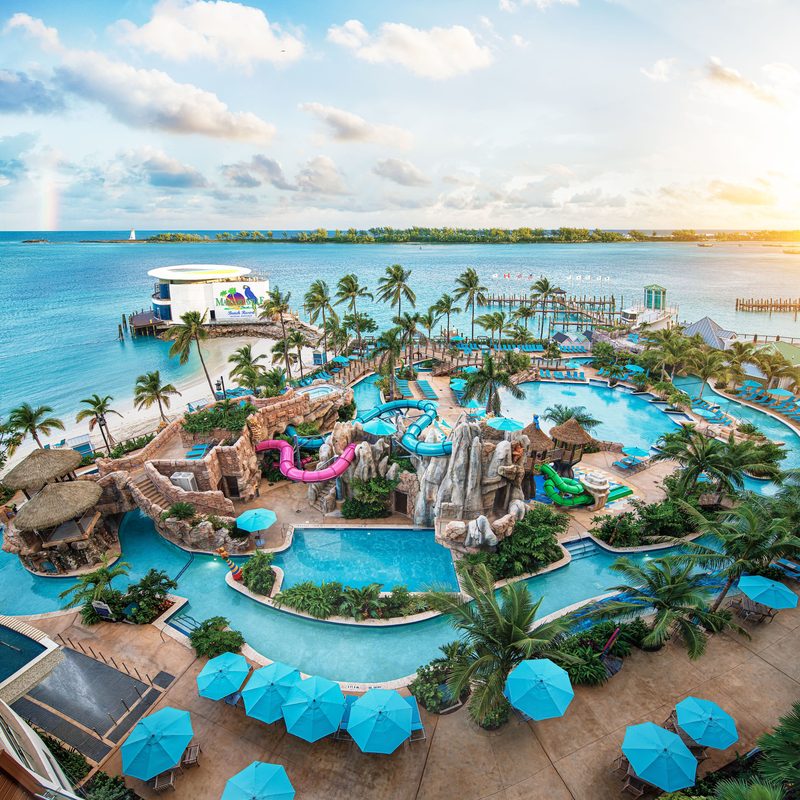
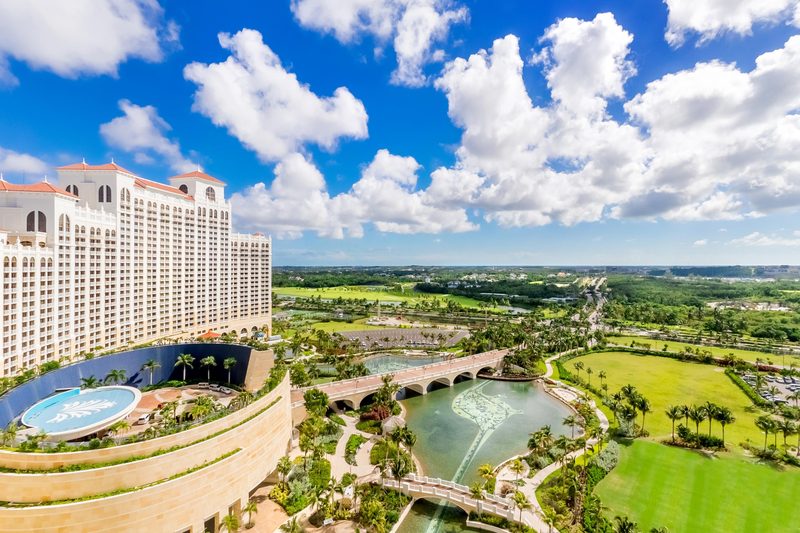
Hand-picked hotels across price tiers for February travellers.
Packing Checklist
Bookmark this page — your progress is saved between visits
Need the full list with shopping links?
Climate-specific gear, brand recommendations, and what to leave at home.
View Nassau Packing List →Essential Tips
Insider knowledge and common pitfalls to avoid
Insider Knowledge
Look up the cruise ship calendar before you pick your downtown days. Nassau posts docking timetables months ahead, punch in 'Nassau cruise ship schedule February 2026' and the exact dates and ship count pop up. Zero- or one-ship days flip the script: Bay Street becomes a sidewalk instead of a scrum, the Queen's Staircase is almost yours alone, and the Arawak Cay shacks have open tables without the hover-and-wait routine. Four-ship days? Skip downtown until after 4 PM, when the gangways slam shut and the crowds slither back to their floating hotels.
The jitney fleet, Nassau's private minibuses, rolls the main arteries for pocket change compared with taxis, and it's how real Nassauvians move. Route 10 hugs the north coast from downtown to Cable Beach and farther. No posted timetable, no route map. But plant yourself on any major road, stick your hand out, and a jitney will grunt to a halt inside ten minutes while the sun is up. Tell the driver your destination; they'll nod you aboard or wave you off. It's safe, fast, and the best rolling lesson in island life you'll get.
Arawak Cay's Fish Fry is where islanders eat and talk shop. But the conch salad stalls sell until they run out, and the top guys are empty by mid-afternoon on weekends. Arrive before noon for the full lineup. Conch is made to order, scored, diced, folded with scotch bonnet, lime, and onion while you watch, and the gulf between an 11 AM salad and a 3 PM one is a chasm. Locals skip the fried fritters and queue for scorched conch: flame-grilled until the edges blister and caramelize.
Potter's Cay Dock, tucked beneath the Paradise Island bridge, is Nassau's raw fish bazaar and has been since your grandparents were young. Boats slide in around 6 AM; by 7 AM the planks are slick with scales and loud with haggling. The pocket-sized restaurants bolted to the dock serve the island's freshest breakfast, boiled fish, grits, and johnnycake, cooked by women who have stood over those same pots since before you learned to swim. Tourists rarely wander in because it doesn't gleam. That's exactly why you should.
Avoid These Mistakes
Hiding inside the Atlantis bubble on Paradise Island and never crossing the bridge is a rookie move. Atlantis is a money funnel dressed as a resort, waterpark, casino, branded eateries, all designed to keep your wallet open. The real Bahamas starts 600 m away: Arawak Cay's Fish Fry, hilltop forts, Junkanoo shacks, south-shore beaches that never grace the Atlantis brochure. If you never left the resort, you bought a theme-park ticket, not a country stamp.
Thinking taxi fares are metered or fixed will cost you. Nassau cabs run on a zone chart that exists in theory, not practice. Drivers quote whatever the traffic, the hour, and your face suggest you'll swallow. Set the price before you climb in. The north-coast jitney erases the haggle and covers most tourist runs. For the airport, have your lodging book a car at a locked rate instead of grabbing a cab from the arrivals scrum.
Planning Nassau errands on a ship day without checking the roster is a first-timer's own goal. Visitors routinely schedule downtown sightseeing, Cable Beach lounging, and Fish Fry lunch for peak-Tuesday or Wednesday, four-ship days, then wonder why the sidewalks crawl and the conch salad takes an hour. Ship-free and ship-heavy Nassau are two different towns. The mood swing is big enough to rebuild your whole itinerary around.
Ready to plan your trip to Nassau?
Now that you've got the research covered, here's where to go next.
Book Experiences in Nassau
Top-rated things to do in Nassau this February


Explore More Activities in Nassau
Didn't see anything interesting yet?
Browse Viator's full catalog of tours, day trips, food experiences, and private guides in Nassau.
See All Nassau Tours on Viator