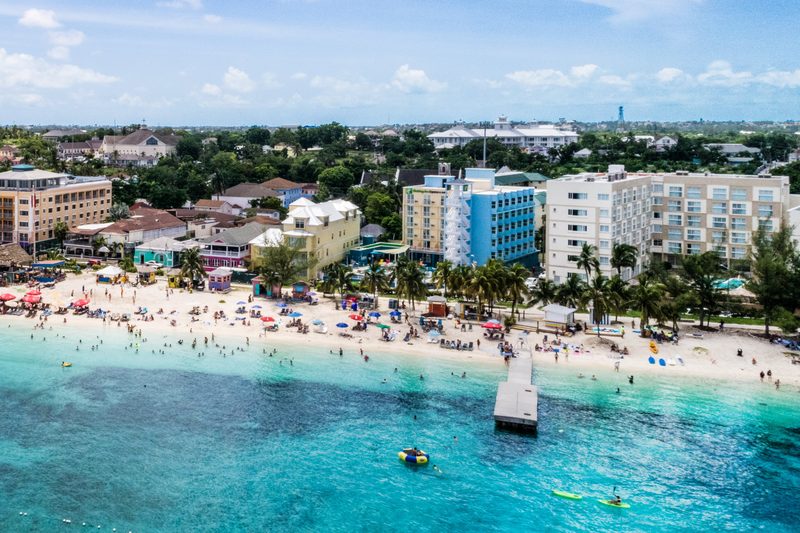

Things to Do in Nassau in January
January weather, activities, events & insider tips
Shoulder Season · Good Value
January Weather in Nassau
Temperature, rainfall and humidity at a glance
78°F (26°C)
High Temp
64°F (18°C)
Low Temp
1.8 inches (46 mm)
Rainfall
70%
Humidity
⚠ Sustained 20-knot trade winds behind cold fronts can trigger small-craft advisories, grounding inter-island ferries
Is January Right for You?
Weigh the advantages and considerations before booking
Advantages
- + January is Nassau's dry season at full tilt. The moment you step off the plane you feel 25°C (77°F) air sliced by northeast trades that turn what could be sticky heat into something you can move through. Mornings on Cable Beach carry a sharp clarity, sky scrubbed clean, water flicking between turquoise and cobalt as the depth changes, that summer simply cannot deliver. You can walk the length of downtown Nassau from the cruise port clear out to Fort Charlotte without a bead of sweat, a claim no one makes in July.
- + Water clarity in January is the finest you will see all year. Dry season means almost no runoff from New Providence's interior, and the reefs off the island's southwest coast, near Clifton Heritage National Park and the underwater sculpture garden, routinely give 25-30 m (80-100 ft) of visibility on calm days. If snorkeling or diving is why you came to Nassau, this is the month to do it.
- + Junkanoo, the Bahamas' signature cultural event, hits its peak on New Year's Day with the competitive parade down Bay Street. Miss the January 1st rush and the energy still lingers, Junkanoo shacks along the waterfront stay active, costume workshops welcome drop-ins, and goatskin drum rhythms roll through restaurants and beach bars deep into late January. This is the one month when Nassau's identity as something more than a cruise stop is impossible to overlook.
- + Nassau sits about a 3-hour flight from New York and under 50 minutes from Miami, making it the quickest warm-water escape for the entire US East Coast and eastern Canada. In January, while Toronto is locked under grey skies at -10°C (14°F) and Boston is cycling through nor'easters, you can be barefoot on white sand before your co-workers finish lunch. Direct flights leave most major eastern hubs, and frequency jumps during peak season.
Considerations
- − January is peak season, and Nassau prices itself like it. Accommodation rates climb to their yearly high, expect a steep premium over shoulder months like late April or November. Booking last-minute is reckless: the better waterfront spots on Cable Beach and Paradise Island sell out weeks ahead, and what remains carries a price that reflects buyer panic, not room value.
- − Cruise ships own downtown Nassau in January. Prince George Wharf can host four to six ships in a single day, meaning 10,000 to 20,000 day-trippers pour onto Bay Street, the Straw Market, and Junkanoo Beach between roughly 9 AM and 4 PM. The shift is stark, a street that felt like a working city at 7:30 AM morphs into a duty-free gauntlet by mid-morning. If crowds set your teeth on edge, plan accordingly.
- − January nights in Nassau cool off more than most newcomers expect. When the sun drops and the trades pick up, 18°C (64°F) with wind off the Atlantic can feel sharp, if you have been in the water all day and your core is low. Locals throw on light jackets by 7 PM. You will see tourists on restaurant patios looking underdressed and miserable, a situation avoided by packing one decent layer.
Best Activities in January
Top things to do during your visit
Reef and Shipwreck Snorkeling Excursions
January's dry season hands Nassau its clearest water of the year, and the reefs off the southwest coast pay it back. Visibility often reaches 25-30 m (80-100 ft) on calm mornings, the sort of clarity where you can spot a southern stingray buried in sand from the surface. Water temperature sits around 24°C (75°F), warm enough for long snorkeling sessions without a wetsuit yet cool enough that you do not cook in the noon sun. Several coral reef systems lie within a 20-minute boat ride of the Nassau shoreline, and the steel-hull shipwrecks scattered in the shallows off the north coast, now colonized by sea fans, elkhorn coral, and sergeant-major schools, are within reach of novice swimmers. Morning departures, before afternoon trades roughen the surface, give the flattest water and strongest light. Crowds thin fast once you are 1 km (0.6 miles) offshore; most cruise passengers stay on the beach.
Booking Tip: Reserve at least 10-14 days ahead for January, licensed operators with smaller boats and better reef access sell out quickly during peak season. Choose outfits that cap groups at 12-15 people and include snorkel gear in the rate. Morning departures consistently beat afternoon trips for conditions. See current options in the booking section below.
Exuma Cays Island-Hopping Day Trips
The Exuma Cays, a 365-island chain stretching 200 km (124 miles) southeast of Nassau, are why many travelers fly to the Bahamas in the first place, and January is the best month to make the crossing. Winter seas stay calmer than summer's squall season, and the air temperature during the ride sits at a comfortable 24-25°C (75-77°F) instead of August's brutal 33°C (91°F). Full-day excursions usually cover the swimming pigs at Big Major Cay, real pigs that swim straight at your boat for food, nurse shark encounters at Compass Cay, the sandbars near Pipe Creek where the water is so shallow and clear it looks computer-rendered, and Thunderball Grotto, the underwater cave system featured in the James Bond film. Enter the grotto at low tide when you can swim through without ducking. Your operator should time it right. It is a long day on the water, most trips run 10-12 hours with serious boat time. But the Exuma water color is a turquoise that will spoil every other beach for life.
Booking Tip: This is the single most popular day trip from Nassau, and January availability tightens fast. Reserve at least two weeks ahead, three if your dates are locked. Speedboat runs are faster but rougher. Catamarans are slower yet kinder if seasickness lurks. Verify that lunch and snorkel gear are bundled before you pay. Scan the booking section below for current Exuma tour options.
Downtown Nassau Historical Walking Tours
January temperatures turn downtown Nassau into a stroll instead of the sweat-soaked ordeal it becomes by June. Fort Charlotte, the British-built 1780s fort that never fired a shot in anger, perches on a hill west of downtown, its harbor views revealing in one sweep why this spot mattered for three centuries. The Queen's Staircase, 65 steps chiseled from solid limestone by enslaved people in the late 18th century, climbs to Fort Fincastle through a narrow gorge draped in tropical growth that blocks the sun even at noon. The air cools the moment you step inside and the scent shifts from salt to damp stone and fern. The Pompey Museum on Bay Street confronts slavery and emancipation in the Bahamas with a candor few Caribbean museums match. The secret to January downtown: arrive before 9 AM while the streets still belong to locals, bread shops open, jitney drivers sip coffee, and Bay Street smells of fresh dough and sea air instead of the perfume samples that take over once the cruise hordes land.
Booking Tip: Guided walks led by Bahamian historians give context you will never catch alone, the buildings spell out a colonial story more tangled and uneasy than the cruise-port signs admit. Reserve through licensed cultural operators and insist on guides who were born in Nassau, not imports reading scripts. Morning start times dodge both heat and cruise crowds. Find current walking tour options in the booking section below.
Blue Lagoon Island Beach and Marine Life Excursions
Blue Lagoon Island, officially Salt Cay, lies 5 km (3 miles) east of Nassau harbor, and the brief ferry ride lands you on a private island that feels far more remote than its proximity suggests. January is prime time: the sea stays flat for easy swimming, the air hovers at 24-25°C (75-77°F) so you can flip between sun and shade without extremes, and the island's capped daily headcount spares you the density of Nassau's public strands. The lagoon itself is sheltered, its water so glassy you can track your shadow gliding over the sandy floor. Stingray and dolphin programs run year-round yet keep groups smaller in January than during spring break. Snorkeling along the island's fringing reef beats anything reachable from Nassau's mainland beaches, expect parrotfish, yellowtail snapper, and the odd sea turtle grazing the seagrass. If you have kids, this outing justifies its price: enough structure to keep them busy, enough raw beauty to keep you watching.
Booking Tip: Reserve 7-10 days ahead in January. Ferries leave from the Nassau waterfront and the earliest departures deliver the calmest water. If marine encounters appeal, lock them in when you book, last-minute add-ons sell out fast in peak season. Check the booking section below for current excursion choices and open dates.
Sunset Catamaran Sailing Cruises
Nassau's January sunsets deserve a place on your itinerary. The winter sun hangs lower than in summer, stretching golden hour and painting skies that slide from amber to copper to deep violet across 45 minutes. Northeast trade winds blow steady in January, 15-25 km/h (9-15 mph), strong enough for real sailing minus the chop that sends some guests scrambling for the rail. Most catamarans cast off from the Nassau waterfront between 4:30 and 5 PM, motor past the harbor and container port, then cut engines and hoist sail once they reach open water. The canvas fills with a sound that swallows the city, the air cools just enough to refresh, and the low sun turns the sea a deep amber that no filter can match. Some cruises tack on a pre-sunset snorkel, ideal in January, water stays at 24°C (75°F) and the angled afternoon light gives the reef a mood far removed from morning visits.
Booking Tip: These sailings sell out quickly in peak season, book at least a week ahead. Catamarans ride steadier and offer more deck space than monohulls if your sea legs are untested. Ask about passenger numbers before you commit; a 40-guest boat feels nothing like a 15-guest one. January sunsets hit around 5:45-6:00 PM, so departures after 5 PM are pushing it. Scan the booking section below for current sailing choices.
Clifton Heritage National Park and Underwater Sculpture Garden Tours
Clifton Heritage sits on the western tip of New Providence, about 25 km (15.5 miles) from downtown Nassau, and it is the one site on the island that folds Bahamian cultural history, coastal hiking, and memorable snorkeling into a single morning. The park guards the ruins of Loyalist-era plantations and a pre-Columbian Lucayan settlement, with interpretive trails that thread through native coppice forest, the dry January air carries the sharp scent of poisonwood and gum elemi, and the coastal bluffs drop straight into the Tongue of the Ocean, one of the Caribbean's deepest trenches. The underwater sculpture garden, set just offshore in about 4 m (13 ft) of water, circles statues that honor enslaved Africans who landed on these shores. Drifting among them in January's glass-clear water, visibility is exceptional here, feels like swimming through both gallery and memorial. The mix of land trails and snorkeling fills a full morning, and the January weather is cool enough for the hike without chilling the snorkel. Most Nassau visitors skip this place, which is exactly why you come.
Booking Tip: Guided tours give the historical depth that turns a pleasant park into something you will remember. Reserve 5-7 days ahead in January. Groups are smaller than on the typical Nassau circuit. Pack water shoes for the rocky entry at the sculpture garden. Driving from downtown takes 30-40 minutes by car or jitney. Check the booking section below for current tour availability.
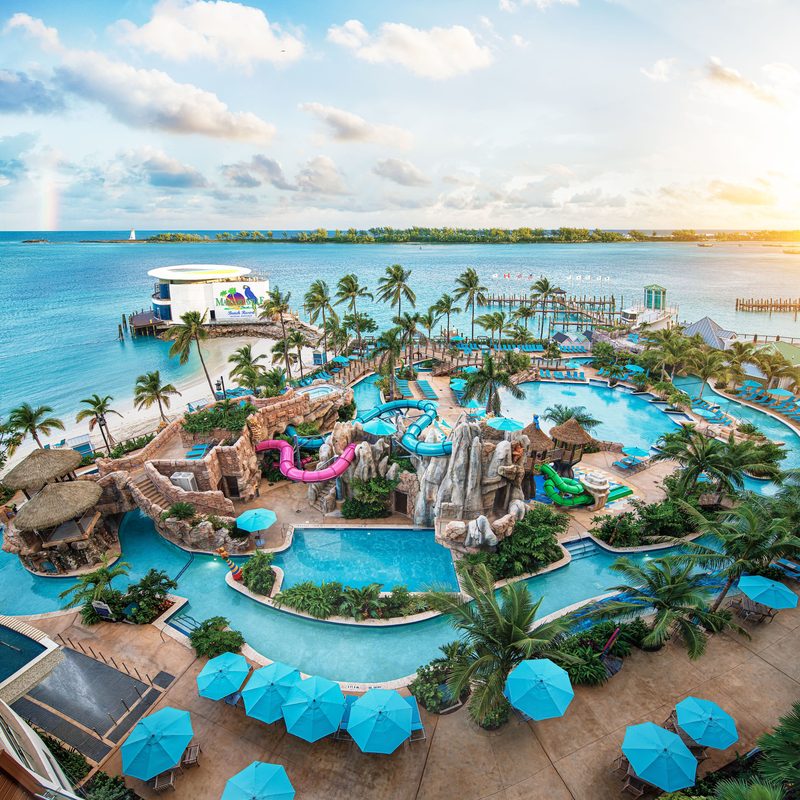
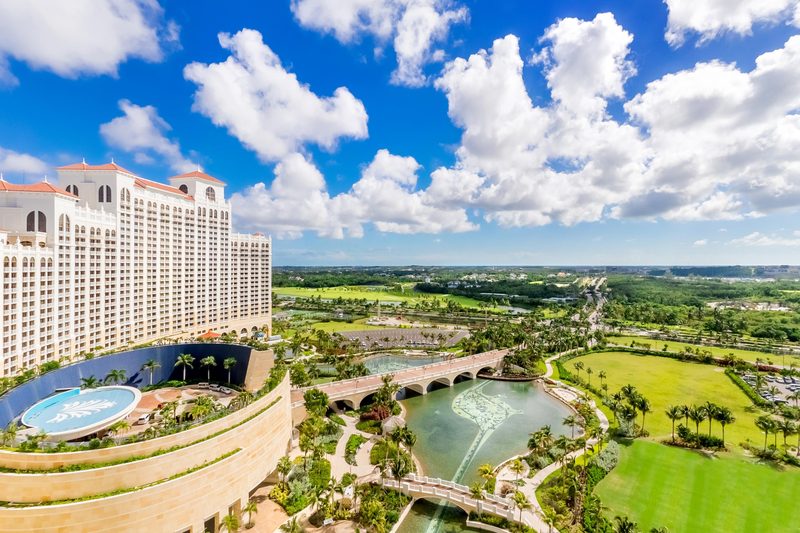
Where to Stay in Nassau in January
Hand-picked hotels across price tiers for January travellers.
Public Holidays in January
Dates that affect opening hours, transport and crowds
New Year's Day
Observed nationwide as a public holiday.
Majority Rule Day
Observed nationwide as a public holiday.
New Year's Day
Observed nationwide as a public holiday.
Majority Rule Day
Observed nationwide as a public holiday.
Packing Checklist
Bookmark this page — your progress is saved between visits
Need the full list with shopping links?
Climate-specific gear, brand recommendations, and what to leave at home.
View Nassau Packing List →Essential Tips
Insider knowledge and common pitfalls to avoid
Insider Knowledge
Before you set foot in Nassau, pull up the cruise port schedule. On certain January days five or six ships berth at once, dumping 15,000-plus day-trippers onto a downtown that spans barely eight blocks. On other days just one or two ships tie up. Time your downtown stroll, your Straw Market haggle, and your Junkanoo Beach flop for the light days. Reserve your offshore runs, Exuma, Blue Lagoon, snorkeling, for the heavy days when you'd rather be anywhere but New Providence.
Jitney buses cover New Providence for a sliver of taxi fares, and locals ride them all day long. The West Bay Street route from downtown to Cable Beach rolls past every few minutes and drops you at the sand without the haggling taxis demand. Buses are numbered by route, not by timetable, wave at a marked stop or, frankly, anywhere the driver can safely pull over. Exact change keeps the line moving.
Cable Beach is where Nassauvians spend their weekends, a 15-minute jitney hop west of downtown. Junkanoo Beach, wedged beside the cruise port, exists for passengers with three spare hours; it's small, packed, and squeezed against the road. Cable Beach runs for about 3 km (1.9 miles) of pale sand, the sea stays calmer on the leeward side, and the crowd thins the farther west you wander. If Nassau beaches have let you down, odds are you've only seen Junkanoo.
Under the Paradise Island bridge sits Potter's Cay, where Bahamian skiffs unload the morning's catch and conch vendors have cracked shells in plain sight for decades. The conch salad, raw conch diced with onion, tomato, green pepper, scotch bonnet, lime, and sour orange, assembled while you watch, arrives fresher than anything downtown and costs far less. Rival stalls keep portions large. Show up at midday when the boats are in and the conch is counted in hours, not days. The soundtrack alone, the shell crack, the knife slap, the lime squeeze, confirms you're in the right place.
January nights show a Nassau most cruisers miss. The ships sail by 5 PM. Arawak Cay, Fish Fry to locals, sparks alive after dark with families eating fried snapper and cracked conch under string lights, dominoes clacking on wooden tables, and Junkanoo drums from bands still rehearsing weeks after New Year. The mood is unmistakably local, the food is real, and the absence of tourists means you're watching how Nassauvians eat and talk. It's a 10-minute stroll west along the waterfront from downtown.
Nassau stays safe in tourist zones, by day on Bay Street, Cable Beach, and Paradise Island. Still, apply the same caution you would in any city, skip solo walks south of Shirley Street after dark, keep valuables tucked away, and think twice about flashing pricey jewelry or electronics. Tourist police flood downtown in January, driven by the cruise crowds.
Avoid These Mistakes
Mistaking Nassau for the cruise port experience. Each week tens of thousands see only Bay Street's jewelry stores, a roped-off patch of sand, and the inside of a duty-free shop before reboarding. The living Nassau, historic forts, conch shacks at Arawak Cay and Potter's Cay, reefs off the west coast, Junkanoo workshops, quiet lanes where bougainvillea tumbles over limestone walls, lies ten minutes in any direction from the terminal. Stay overnight and you've already outpaced 80 percent of visitors. Use the edge.
Devoting most of your time and budget to Atlantis on Paradise Island without venturing further. Atlantis is a resort, not the Bahamas. The water park entertains kids. Yet reef systems, historic parks, and cultural sites on New Providence cost far less and give you something no Dubai or Vegas complex can match. If your whole Nassau plan circles one commercial property, you've missed the point.
Waiting until the last minute to book January activities. Peak season means the best operators, small boats, local guides, tight group sizes, lock in their January slots by early December. Expecting to snag an Exuma day trip or sunset sail with two days' notice lands you on overcrowded leftovers or leaves you stranded. January bookings need two to three weeks' lead time, minimum.
Underestimating the sun because the air feels gentle. At 25°C (77°F) with a steady breeze, January in Nassau doesn't scorch like July, which is exactly why people burn. A UV index of 7 fries unprotected skin in under 30 minutes, and trade winds whisk sweat away so efficiently you won't notice until the damage is done. Sunscreen, hat, water, treat them as mandatory even under cloud cover.
Ready to plan your trip to Nassau?
Now that you've got the research covered, here's where to go next.
Book Experiences in Nassau
Top-rated things to do in Nassau this January


Explore More Activities in Nassau
Didn't see anything interesting yet?
Browse Viator's full catalog of tours, day trips, food experiences, and private guides in Nassau.
See All Nassau Tours on Viator